Double Coats, Shedding Season and Why Shaving Rarely Helps
A de-shed removes the loose undercoat that's already coming out, which is a different job from cutting the coat off.
October 27, 2026 · 4 min read
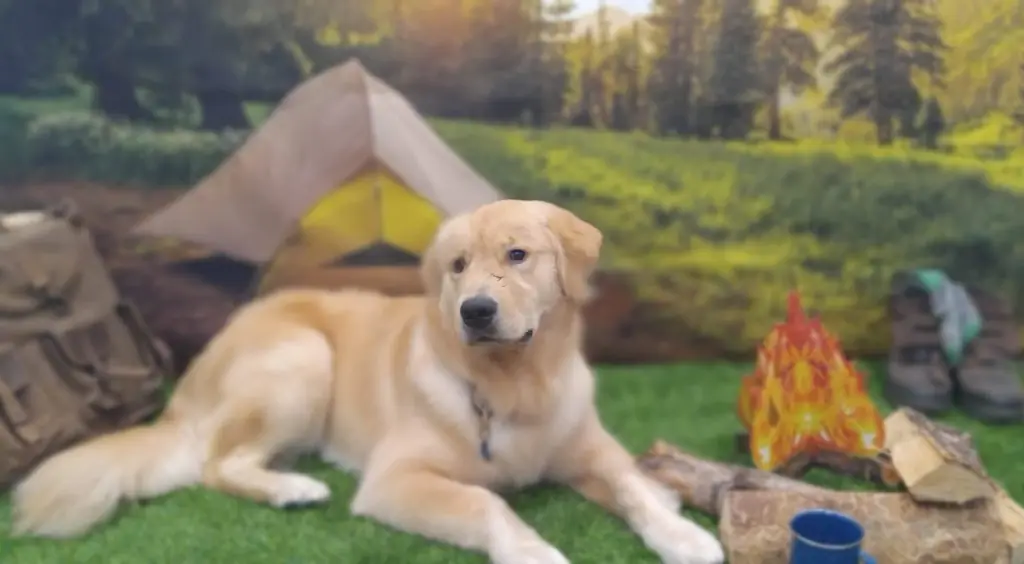
If you live with a Husky, a shepherd, a retriever, a Malamute or any of the other big, fluffy breeds, you already know what shedding season looks like. Tufts of fur collect in the corners of the room. Your black pants come off the couch tan. A brush that was clean at breakfast is full by lunch. In Wisconsin, with real winters and real summers, it happens twice a year and it can feel endless.
Mallory, the groomer at Paws and Reflect on Tuesdays and Thursdays, loves de-sheds and big dogs. This post is general coat advice about what's going on under all that fur, what a de-shed is for, and why shaving a double-coated dog is usually not the answer owners hope it will be.
What a double coat is
A double coat has two layers. The outer layer is made of longer, coarser guard hairs that shed dirt and water. Underneath sits a soft, dense undercoat that works as insulation. Breeds developed for cold weather and outdoor work tend to have both, and it's why a Husky can look perfectly comfortable lying in the snow.
Twice a year, usually in spring and again in fall, the undercoat releases. Dogs lose it in clumps, sometimes in sheets. This is called blowing coat. The timing shifts with the weather, with indoor heating and with the individual dog, so your neighbor's dog may start a week or two before yours. Wisconsin's long stretches of cold followed by quick warm-ups tend to make the spring release dramatic.
What a de-shed is for
A de-shed is a grooming session focused on removing the undercoat your dog is already losing. Groomers typically use a combination of a bath, a conditioner or shed-loosening product, a high-velocity dryer to blow loose hair out, and then specific brushes and rakes to lift out what's left. The point is to help the coat finish what it was already doing, rather than leaving that hair to land on your furniture and your floors.
Owners often notice two things afterward. There's much less fur around the house for a while, and the dog looks lighter and tidier. It isn't a permanent fix, because shedding is natural and it continues, but it takes a big share of the loose undercoat out in one session. Scheduling a de-shed at the start of a heavy shed, rather than at the end, usually gets the most out of it.
Big dogs also take effort to handle. A large dog on a grooming table, or in a tub, is a lot of coat and a lot of animal, and it helps to have a groomer who enjoys that work. At Paws and Reflect, that's Mallory, who is in on Tuesdays and Thursdays. If you're thinking about a de-shed for a big dog, call or text and ask which days fit.
Why shaving is rarely the answer
Every summer, owners of heavy-coated dogs ask about shaving them down to the skin to keep them cool. It's an understandable thought. It also tends not to work the way people expect, and most groomers would steer you away from it for a double-coated breed.
First, the undercoat that insulates against cold also helps regulate temperature when it's warm, and the guard hairs help shield the skin from sun. Taking all of it off removes those layers. Second, shaving doesn't stop shedding. The hair that grows back still sheds. Third, a double coat that's been shaved can grow back in uneven, patchy or with a different texture, and sometimes it takes a long time to return to normal. Some dogs' coats never quite look the same.
What helps more is removing the dead undercoat so air can move through the coat, which is exactly what a de-shed and regular brushing do. A well-brushed double coat is a better cooling system than a shaved one. If you have a specific worry about your dog and the heat, your veterinarian is the right person to ask, and your groomer can talk with you about trimming options that leave the coat functioning.
Brushing between visits
Between grooming appointments, a few minutes with the right tools makes shedding season far more manageable. An undercoat rake works through the thick layer, a slicker brush finishes the surface, and a metal comb confirms you've reached down to the skin. Work in sections, brush in the direction the hair grows, and be gentle around the belly, armpits and behind the ears, where the skin is thin.
During a heavy shed, a short brushing session every day or two keeps the loose hair from building up. Outdoors helps, too. Brushing on the porch or in the yard keeps the fur out of the vacuum and gives the birds something to build nests with. Bathing before brushing, when your dog tolerates it, loosens more hair, but make sure the coat is dried all the way to the skin, because a damp undercoat can stay wet and turn into trouble.
Planning around the seasons
A reasonable plan for a double-coated dog is to book a visit when the heavy shed starts, brush at home between visits, and check in again as the shed finishes. You don't need to follow a rigid calendar. Watch your dog's coat. When you see tufts lifting along the back and thighs, or the coat starts to look dull and loose, it's time.
To ask about a de-shed for your dog, call or text Paws and Reflect at (262) 423-3500. The salon is on Main Street in Germantown, next to The Vault Pet Supplies, and works by appointment Tuesday through Saturday, 9 AM to 3 PM.
Paws and Reflect, (262) 423-3500
Call (262) 423-3500More articles
Getting a Nervous Dog Ready for the Groomer
Most of what calms a nervous dog happens at home in the weeks before the appointment, and it takes only a few minutes a day.
Why Doodle Coats Mat, and How to Stop It Between Visits
A few minutes of the right brushing in the right places keeps a fluffy coat easy to groom and comfortable to wear.