Why Doodle Coats Mat, and How to Stop It Between Visits
A few minutes of the right brushing in the right places keeps a fluffy coat easy to groom and comfortable to wear.
October 27, 2026 · 4 min read
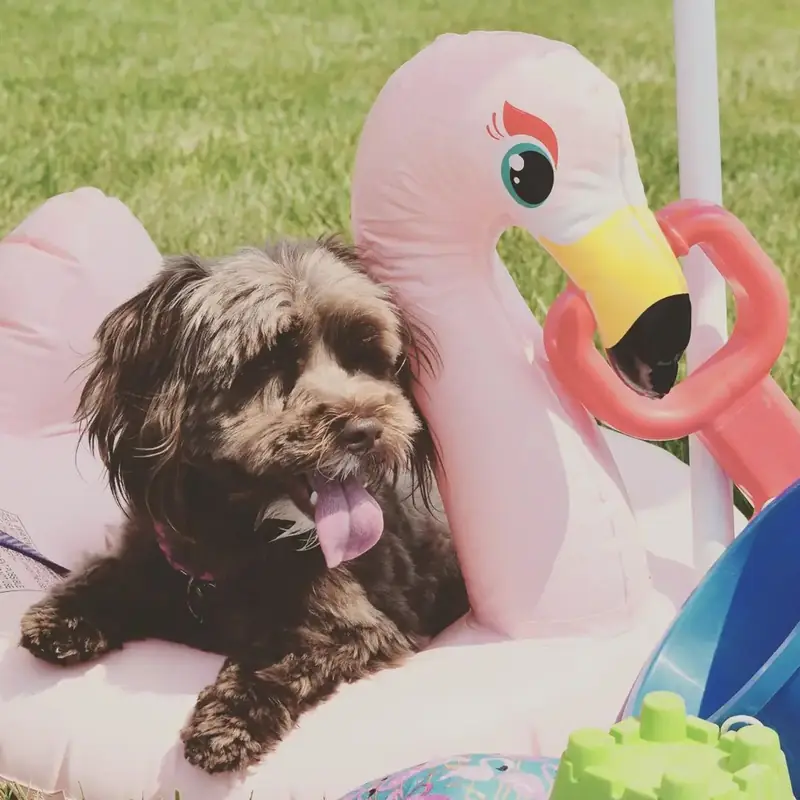
A doodle's coat is one of the great pleasures of owning one. It's soft, it's curly, and it makes your dog look like a stuffed animal that learned to run. It's also a coat that tangles easily, and a few loose knots can turn into a solid mat faster than most owners expect.
Christie, the owner and lead groomer at Paws and Reflect, loves to groom all dogs but has a soft spot for the fluffy ones, and the team calls her the resident Doodle Queen. This post is general coat advice for owners of doodles and other curly or wavy dogs.
What a mat actually is
A mat forms when loose hair, the hair a dog is shedding, wraps around living hair and tightens. Curly and wavy coats hold onto that loose hair instead of letting it fall out, which is why a doodle can seem like it doesn't shed while the coat quietly collects tangles. Moisture, friction and time pull the knot closer to the skin, and a mat that has reached the skin doesn't brush out. It pulls, and pulling hurts.
That's the reason a quick pat-down of the coat can be misleading. The top layer can feel fluffy and soft while the hair against the skin has become a felted layer underneath. Brushing only the surface is the most common way owners miss a problem.
Where mats start
Mats start where something rubs, and the usual spots are easy to learn.
The collar area is the first. A collar, tag or harness strap rubs the same strip of hair all day, and it's the spot groomers find most often. Behind the ears is next, where the hair is fine and moves against the neck every time your dog shakes or scratches. The armpits and the chest strap line of a harness are close behind. The legs come after that, especially the backs of the front legs and the inner thighs, where hair rubs hair at every step. The tail and the britches get tangled as well, and so do the feet if your dog walks through wet grass or snow.
Wisconsin adds its own help. Snow clumps on leg hair, packs between the toes, and melts into damp fur that dries into knots. A wet coat that gets towel-dried roughly and left to air-dry is practically an invitation. If your dog comes in from a snowy walk, a gentle towel blot and a quick look at the legs and belly saves you a lot of trouble later.
The brushing that works
The goal is to reach the skin, not just the surface. The method most groomers recommend is called line brushing. Hold the hair up with one hand, brush the section underneath with a slicker brush or a pin brush, working a little at a time, then follow with a metal comb to check that the comb moves freely from the skin out. If the comb catches, there's still a tangle there. Part the hair again and go back to that spot.
A few habits make the difference. Work in short, light strokes and support the hair near the skin so the brush doesn't tug. Don't brush a dry coat that's already heavily tangled, because the brush will pull the knot tighter. Many owners find a light mist of water or a conditioning spray makes the job easier. And always finish with the comb, since a brush that glides across the top proves nothing about the layer underneath.
Pick a time when your dog is calm, like the evening after a walk. Five to ten minutes in the high-friction spots, a few times a week, will do more than one long session before an appointment. Treats help, and so does a steady voice. If your dog hates it, short sessions that end before the complaining starts will beat an hour of struggle.
Check the collar and the harness
Gear matters. A harness with wide, smooth straps rubs less than one with thin or rough edges. Take the collar off at home when you can, and slide it around to check what's underneath. Many owners who brush faithfully still miss the strip under the collar, because the collar covers it. Lifting it every day takes five seconds.
When a mat is too tight to brush
Sometimes a mat has gotten past what a brush can do. Please don't cut it out with scissors at home. The skin pulls up into the mat, and it's easy to nick it. A groomer can use clippers and the right blade to work safely under it. Sometimes that means taking a coat shorter than you'd hoped, which can feel disappointing, but a shorter coat that's comfortable is better than a longer one that tugs at your dog with every step. Coats grow back, and a fresh start with a regular brushing routine keeps the next growth-out easier.
Talk with your groomer about a schedule that fits your dog's coat length and lifestyle. A dog who runs in the woods and swims will need a different plan than a dog who lives mostly on the couch. Tell the groomer what your brushing routine looks like, honestly, because it helps them suggest a style you can actually keep up with at home.
If you've got a doodle and you're not sure where to start, call or text Paws and Reflect at (262) 423-3500 to talk about your dog's coat. The salon is on Main Street in Germantown, open by appointment Tuesday through Saturday, 9 AM to 3 PM.
Paws and Reflect, (262) 423-3500
Call (262) 423-3500More articles
Getting a Nervous Dog Ready for the Groomer
Most of what calms a nervous dog happens at home in the weeks before the appointment, and it takes only a few minutes a day.
Double Coats, Shedding Season and Why Shaving Rarely Helps
A de-shed removes the loose undercoat that's already coming out, which is a different job from cutting the coat off.